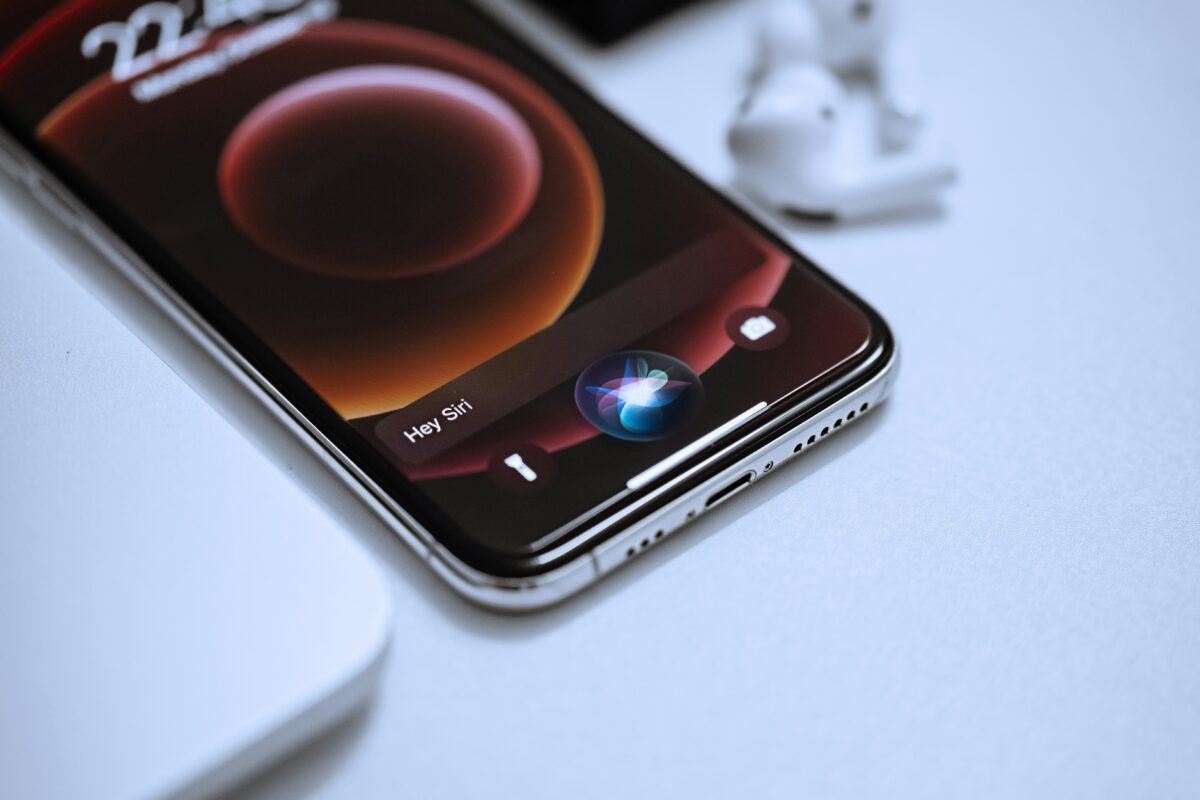
The clever rectangular gadgets tucked away in our pockets have quietly become unofficial scientists. Smartphones are infiltrating almost every corner of our day-to-day lives, evolving from simple communication devices into hyper-capable tools—for everything, it seems. One especially thrilling frontier they’re charting is the area of surface testing. Yes, surface testing—the thing often pictured with lab coats and chiseled microscopes. But now, all we need are some apps and a pinch of curiosity.
A New Age of Mobile Microscopy
Anyone armed with a smartphone is empowered like never before. Using microscopic attachments that clip onto the camera, these mighty mini-laboratories allow you to explore surfaces with remarkable depth and precision. You’re essentially transforming your device into pocket-sized labs. Gathering detailed imagery of surfaces is no longer a specialist’s territory. With advances in smartphone optics, the grain of a leaf or the texture of a textile is now just a snap away. And guess what? It’s affordable and accessible.
Beyond observation, smartphones are providing new avenues for surface analysis through image processing software. This software can interpret and quantify surface roughness, detect irregularities, or even evaluate surface wear over time. Collecting real-time data and receiving instant analyses can help users make informed decisions or refine their techniques. In the hands of hobbyists, educators, or professionals, these capabilities offer a canvas to explore, test, and evaluate different surfaces in creative ways.
Moreover, the rapidly growing ecosystem of mobile app developers is continually bringing forward new tools to augment your smartphone’s surface testing abilities. From AI-assisted pattern recognition to sophisticated algorithms for material analysis, the variety of applications allowing users to unearth minute details is expanding. This diversity means that whether you’re an artist checking paint adherence or a chef assessing the texture of a dish, there’s a mobile solution tailored to your specific needs.
Complementing these capabilities, a smartphone-based goniometer enriches the surface testing experience by facilitating precise angle measurements on the go. This tool allows users to study material properties like wettability in real time, enhancing the way we interact with our everyday tools.
Touch. Tap. Explore.
Gone are the excuses for not understanding the world around us. Now you can gather data on the go with rapid, efficient processes. Need to test soil conditions for your home garden or evaluate the roughness of sandpaper for your weekend project? There’s an app for that—many apps, actually. Whether it’s investigating the spread of bacteria on a kitchen counter or ensuring your latest woodworking masterpiece stays splinter-free, surface testing has never been this handy. The power is in our hands—literally.
Touchscreens have made this technology even more approachable. Simply interacting with intuitive, visual interfaces allows users of all ages to gather and analyze data without specialized training. The ability to manipulate and zoom in to inspect recorded imagery offers an engaging way for children and adults alike to explore science. Watching dust particles get larger than life not only satisfies personal curiosity but also promotes a connection to the often-overlooked nuances of our surroundings.
The Democratization of Diagnostics
It isn’t just professionals who are whipping out their smartphones to conduct surface tests, but curious amateurs too. This democratization of diagnostics is leading to a wave of crowd-sourced scientific contributions. Budding biologists or fumbling gardeners might just be tomorrow’s citizen scientists. It’s no longer only those with access to costly equipment who get to dabble in depth. Sharing findings online can contribute to broader scientific understanding, blurring the lines between enthusiast and expert.
Another positive outcome of this democratization is the boost it offers to local communities. Workshops teaching smartphone-based surface testing are popping up in community centers and schools, fostering both local involvement and scientific literacy. Participants are encouraged to apply their learning to real-world problems, forging stronger bonds with their environment and empowering communities with locally sourced solutions.
A Future Filled with Possibilities
In its current state, some might feel this approach lacks the depth and precision found in controlled lab environments. But remember, we’re just standing at the threshold. With each passing software update or new hardware attachment, the scope of surface testing with smartphones is expanding. Perhaps soon, smartphones will offer the ability to test hydration levels or analyze structural integrity. The ultimate question is not about how much we can achieve—it’s about how inquisitive we remain.
The exciting part of this journey is that we are still merely scratching the surface. Each user interaction, every feedback loop, contributes to enhancing these tools, driving them to become more precise and versatile. Imagine a world where uploading a high-resolution surface image helps refine a global database of material analyses, available to anyone with the touch of a button. This future is closer than we might think, defined by shared knowledge and collective curiosity.
Conclusion
Smartphones are rewriting the rules of surface testing. They’re providing unprecedented access to scientific exploration and data collection. A time when only the chosen few had access to such capabilities is slipping into oblivion, for we are entering a phase where every curious mind can engage in analysis on demand. The next time you glance at your pocket companion, remember the immense potential it holds as your personal portal to discovery.